The bedtime mineral
Magnesium has the reputation of a sleeping draught. Its record is smaller at night and larger by day.
3 minute read
Mortar and pestle, Wedgwood and Bentley, ca. 1780. The Metropolitan Museum of Art, public domain.
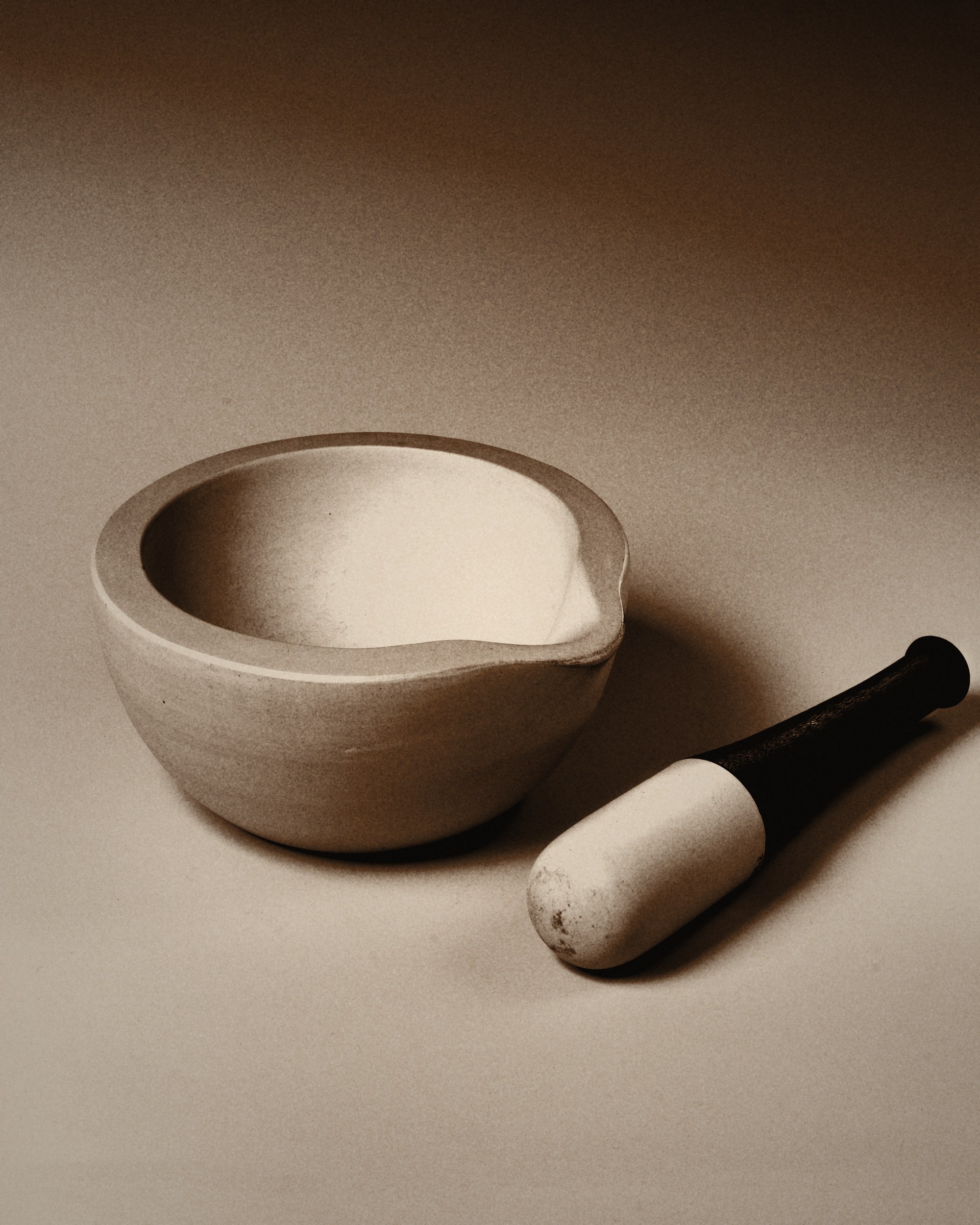
Magnesium arrives at the end of the day. It waits in a small glass by the bed, or in a bottle that has quietly moved from the kitchen to the nightstand.
(01)
The reputation
Of everything magnesium has been studied for, sleep is the reason people most often take it. HÉBÉ has graded it against 46 outcomes, drawn from 156 studies. The record runs from digestion to bone. Sleep is one thin chapter of it.
(02)
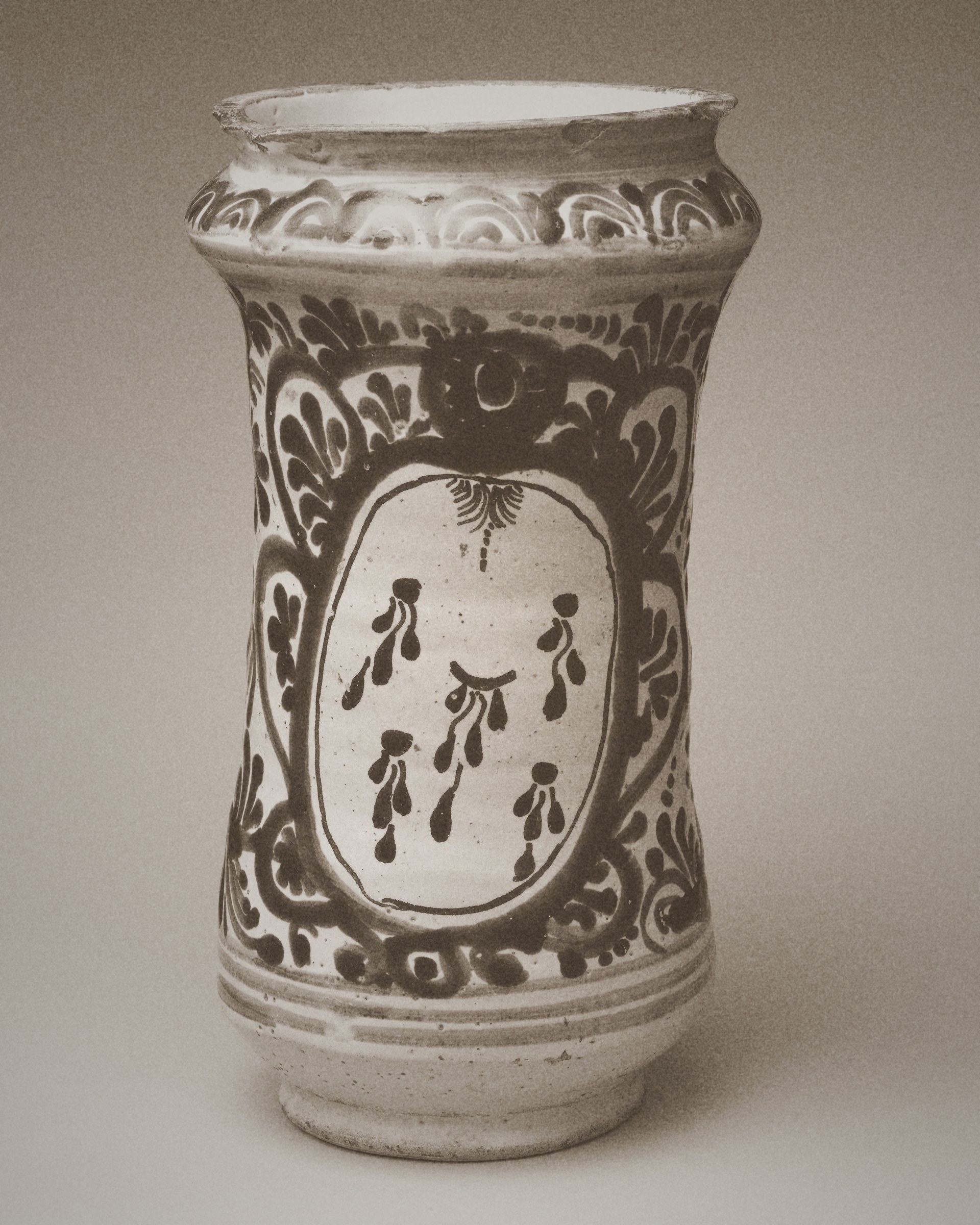
Apothecary Jar, Mexican, 1700–1750. The Metropolitan Museum of Art, public domain.
The night, in figures
Five sleep measures have been studied. Read them from the top and the night grows shorter.
- Time to fall asleep
- Good
- Helps, small effect. 2 studies, 33 people.
- Sleep efficiency
- Fair
- Helps, small effect. 1 study, 43 people.
- Sleep duration
- Limited
- No clear effect. 2 studies, 33 people.
- Insomnia symptoms
- Limited
- No clear effect. 1 study, 43 people.
- Sleep quality
- Limited
- No clear effect. 1 study, 10 people.
In two small studies, people fell asleep a little sooner. How long they slept showed no clear change, and a single study of ten people found no clear change in sleep quality.
HÉBÉ catalogue, November 2026
33
People behind the strongest sleep result. They would fit comfortably in a good restaurant on a quiet night.
(03)
Where the evidence gathers
The warmest verdict in the catalogue is the least glamorous one. For constipation, HÉBÉ grades magnesium Excellent: three studies, 184 people, a moderate effect.
Across all 46 outcomes, research reports a benefit for 23 and no clear effect for 18. Those eighteen deserve as much attention as the rest. They are the part of a supplement's story that rarely reaches the front of the bottle.
(04)
On the label
Studies have used anywhere from 30 to 960 milligrams of elemental magnesium a day, which is a very wide room to stand in. Oxide, citrate, glycinate, bisglycinate and chloride differ in how well they are absorbed and in how much elemental magnesium each one delivers.
The number worth finding is the elemental one. Point your phone at your bottle and HÉBÉ will set it against what the studies used.
(05)
Before you pour
Oral magnesium is well tolerated, and diarrhea is its most common side effect. It can bind to some medications in the gut, so taking it at least two hours before them, or four to six hours after, should reduce the risk of an interaction. Your pharmacist can tell you which of yours count.
Keep the glass by the bed, if that is where it belongs. Thirty-three people suggest it might help you fall asleep a little sooner.
Every graded outcome is in the HÉBÉ catalogue. See what HÉBÉ would suggest for you in the demo.
HÉBÉ Science explains what published research reports about supplements. It isn't medical advice. Talk to a doctor or pharmacist before starting, stopping or changing anything, especially if you take medication, are pregnant or breastfeeding.